
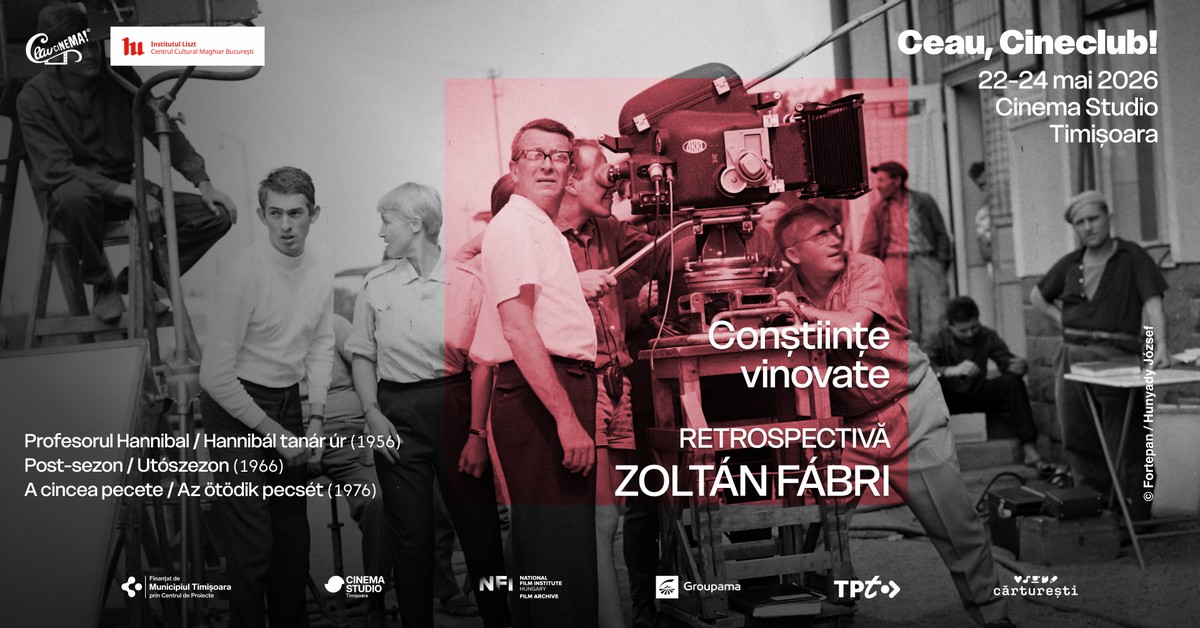
Director Zoltán Fábri, one of the most acclaimed Hungarian filmmakers, will be honored with a retrospective organized by Ceau, Cinema! and the Liszt Institute – Hungarian Cultural Center, taking place between May 22nd and 24th at Cinema Studio in Timișoara.
Under the title “Guilty Consciences,” the retrospective includes three of the director’s most important and successful films, made in different decades: “Professor Hannibal” (Hannibál tanár úr, 1956), “Late Season” (Utószezon, 1966), and “The Fifth Seal” (Az ötödik pecsét, 1976). They screened versions were restored by the Hungarian Film Archive.
The retrospective is part of Ceau, Cineclub!, a project of monthly film series, and serves as a warm-up event for the 13th edition of the Ceau, Cinema! Festival.
The program and tickets can be found on the websites of Ceau, Cinema! and Cinema Studio.
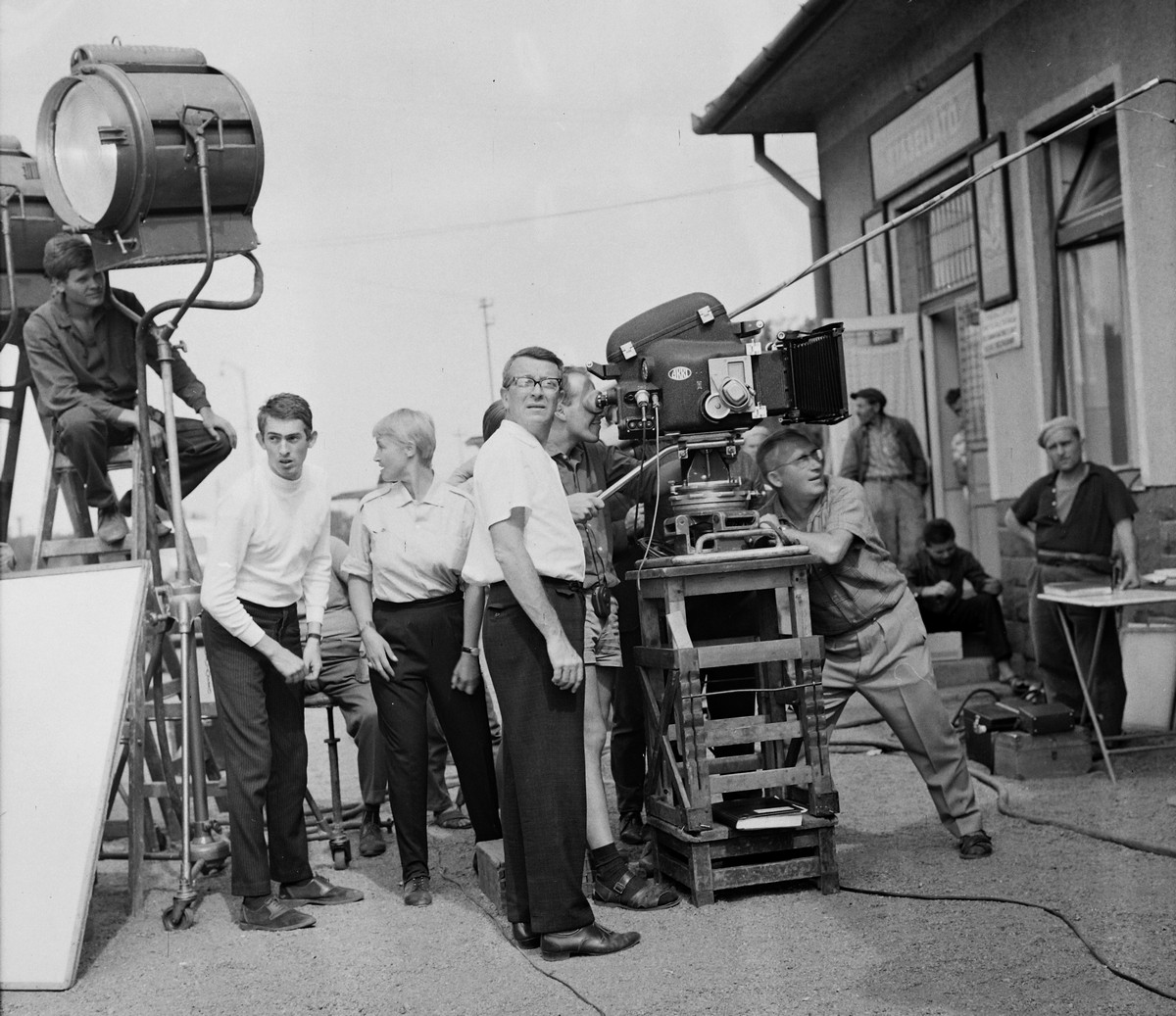
“Zoltán Fábri is an emblematic figure of Hungarian cinema, with films honored at major festivals from the 1950s through the early 1980s. With a fascinating filmography of over 20 titles, mostly based on literary sources, the director was particularly concerned with the recent past of his country. The three titles selected for this retrospective are bold anti-totalitarian works that address dark episodes in 20th-century Hungarian history and feature protagonists burdened by guilt, victims of destructive political mechanisms. Beyond their compelling formal ambition, the antifascist character of these films makes them relevant today as well, when the threat of the far right is growing stronger worldwide, including in Europe,” says Ionuț Mareș, artistic director of Ceau, Cineclub!
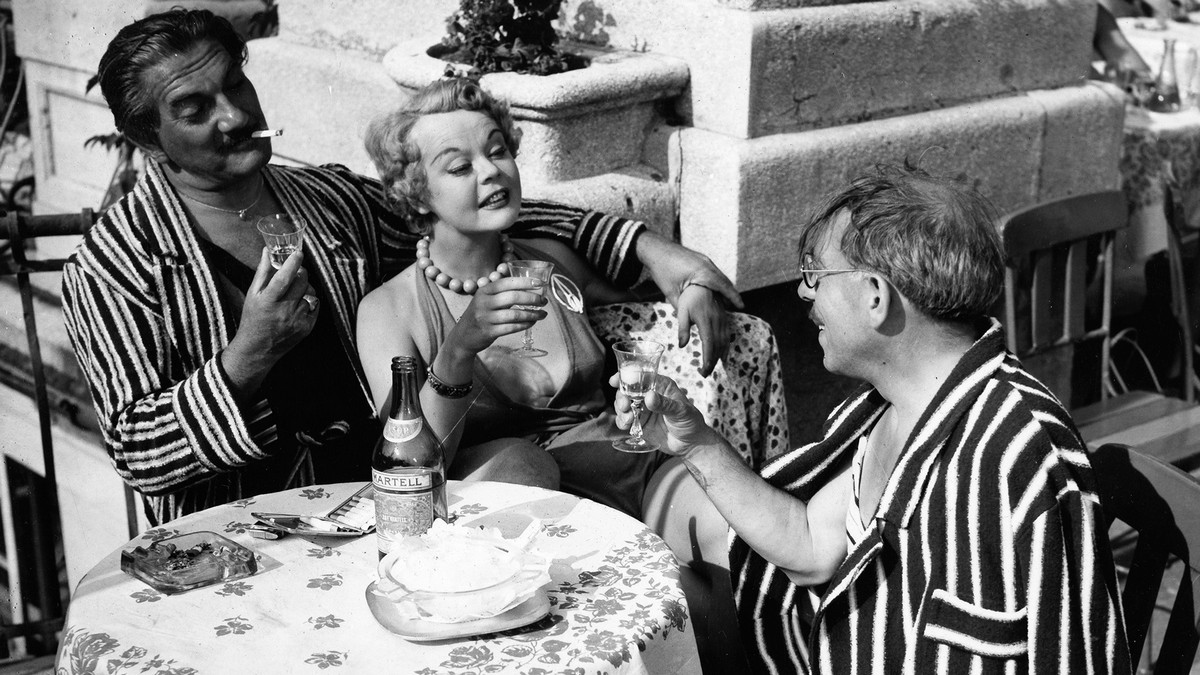
In “Professor Hannibal” (1956), a Latin teacher publishes an essay about the Carthaginian general Hannibal and is quickly acclaimed as a genius, but actually he has unknowingly become a pawn of far-right politicians. The film was part of the Karlovy Vary Festival competition and became a canonical title.
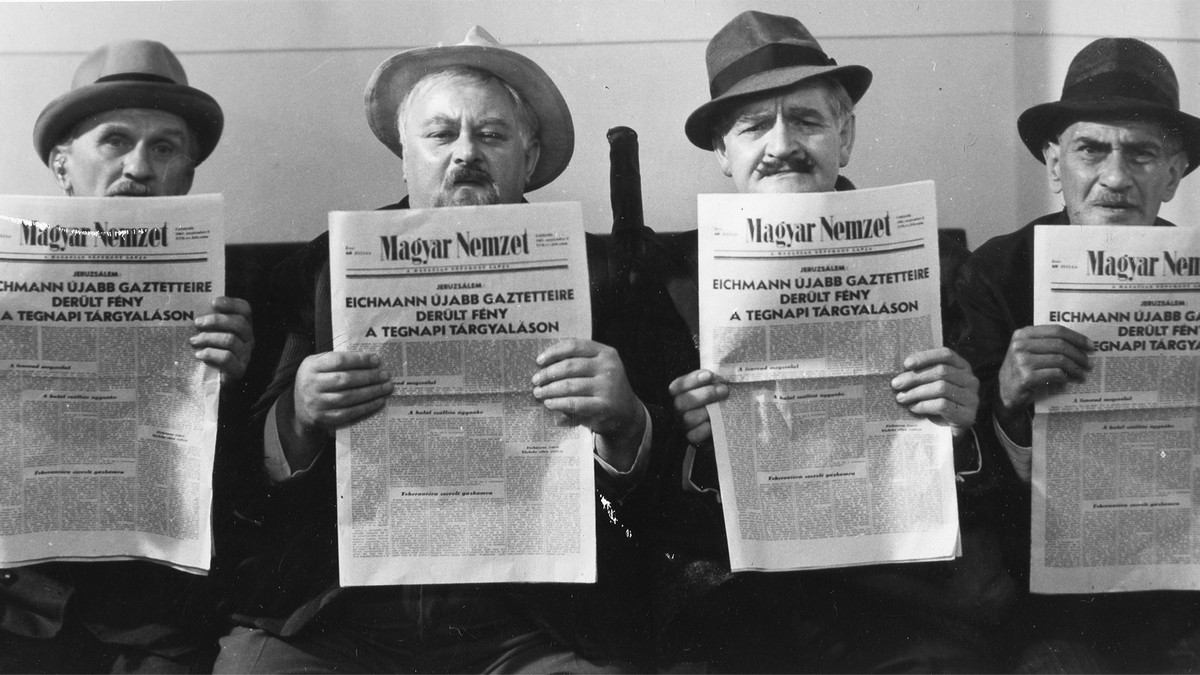
In “Late Season” (1966), a pharmacist is summoned to the police station for “a certain issue.” The elderly man is convinced that his sin, committed during the war, has been uncovered. His friends insist they only wanted to joke with him, but his conscience gives him no peace. The film was selected for the Venice Festival competition, where it won the San Giorgio Prize, awarded to films “important for the progress of civilization.”
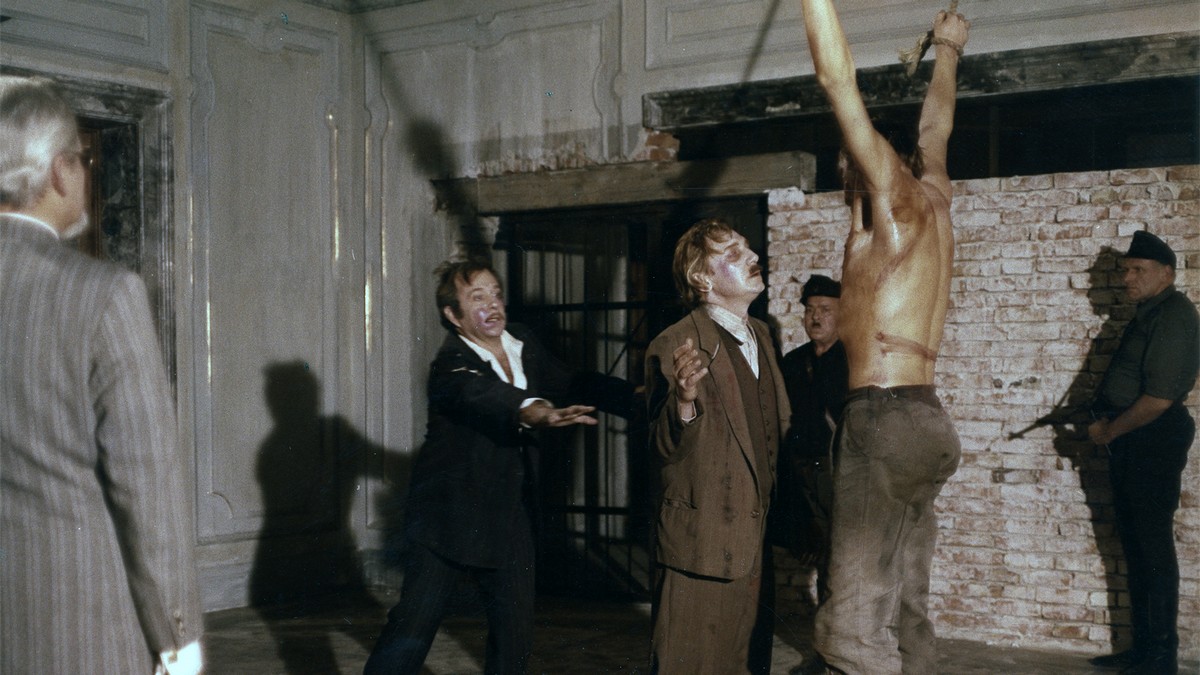
Selected for the Berlin Festival and awarded at the Moscow Festival, “The Fifth Seal” is one of Zoltán Fábri’s best-known films. In Budapest in 1944, a watchmaker, a bookseller, and a carpenter are drinking in a bar with the owner when a stranger joins them. The watchmaker poses a hypothetical question that will change their lives.
“Through our retrospective series ‘Great Creators of Hungarian Cinema,’ we do not limit ourselves to commemoration, but invite the audience to an active re-viewing: an encounter in which masterpieces of Hungarian cinema can speak to contemporary viewers as well. It is especially important for us that this initiative is made possible thanks to the remarkable digitization work of the Hungarian National Film Archive, allowing us to present these works in restored, high-quality versions. Fábri Zoltán’s films are particularly suited for such a dialogue, through the strength of their moral questions, the depth of human portrayal, and their historical sensitivity—elements that remain fully relevant today. Through these screenings, we aim to demonstrate that these creations are not only landmarks in film history but living works, capable of stimulating reflection and building bridges between past and present,” says Kósa András László, director of the Liszt Institute – Hungarian Cultural Center Bucharest.
Film director Zoltán Fábri (Budapest, 1917–1994) was an extremely complex artistic personality, successfully active in many artistic fields. He was also a theater director, actor, set designer, screenwriter, painter, graphic artist, and university professor. Initially, he wanted to become a painter and graduated from the Faculty of Arts in 1938. However, his interest shifted to acting, and in 1941 he graduated from the Faculty of Theatre. Between 1941 and 1943, he worked as an actor, set designer, and stage manager at the National Theatre in Budapest, and in 1948 he served for one season as its artistic director. In 1949, also for one season, he was the director of the Úttörő Theatre. In 1950, he joined the Hunnia Film Studio, where he was artistic director until 1952, after which he worked as a film director. From 1970, he taught at the Faculty of Theatre and Film in Budapest. His filmography includes 21 titles, many of which were selected or awarded at major festivals such as Cannes, Venice, Berlin, or Locarno. Two of his films were also nominated for the Academy Awards in the foreign film category.
Zoltán Fábri’s work was shaped at the intersection between the classical and modern eras of cinema, in a context where tradition and renewal complemented each other. In his films, literary inspiration, heightened drama, visual plasticity, and the expressive power of cinematic space are related to expressionist stylistic traditions and lyrical realism, while the memorial dramaturgy and narrative structure are influenced by the modernism of the 1950s and 1960s.
More details can be found on the festival’s Facebook and Instagram pages.
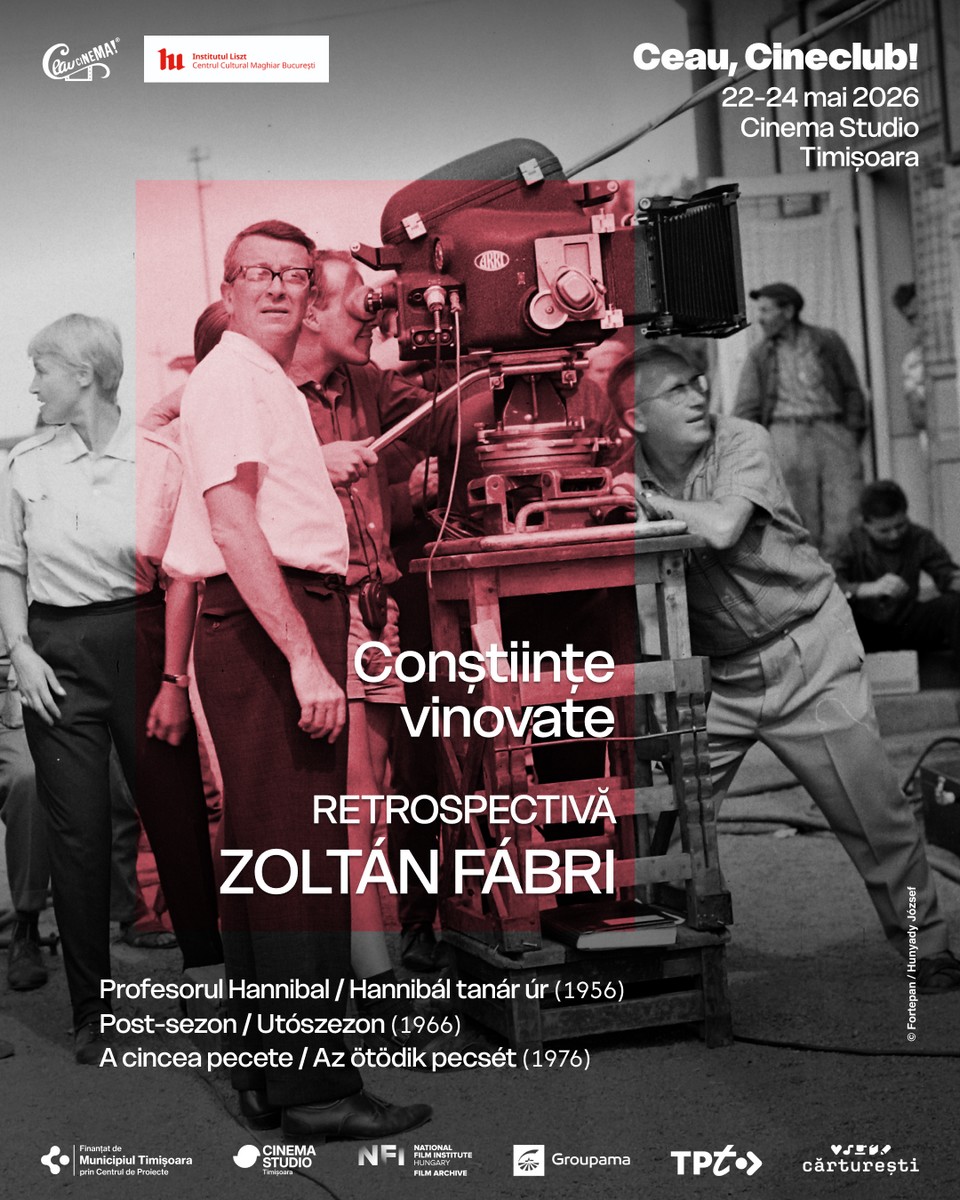
The Zoltán Fábri retrospective will be screened at Cinema Arta in Cluj-Napoca (May–June), as well as in Bucharest at Cinema Elvire Popesco (June 12–14).
The retrospective continues the longstanding partnership between Ceau, Cinema! and the Liszt Institute – Hungarian Cultural Center Bucharest, through which Hungarian filmmakers are celebrated. Those previously honored include Miklós Jancsó, István Szabó, Judit Elek, Károly Makk, and János Tóth.
Organizers: Ceau, Cinema!, Liszt Institute – Hungarian Cultural Center Bucharest
Funded by: Municipality of Timișoara through the Project Center
Partners: Cinema Studio, Hungarian Film Archive, ErGo Association
Sponsor: Groupama
Media partners: STPT, Cărturești