
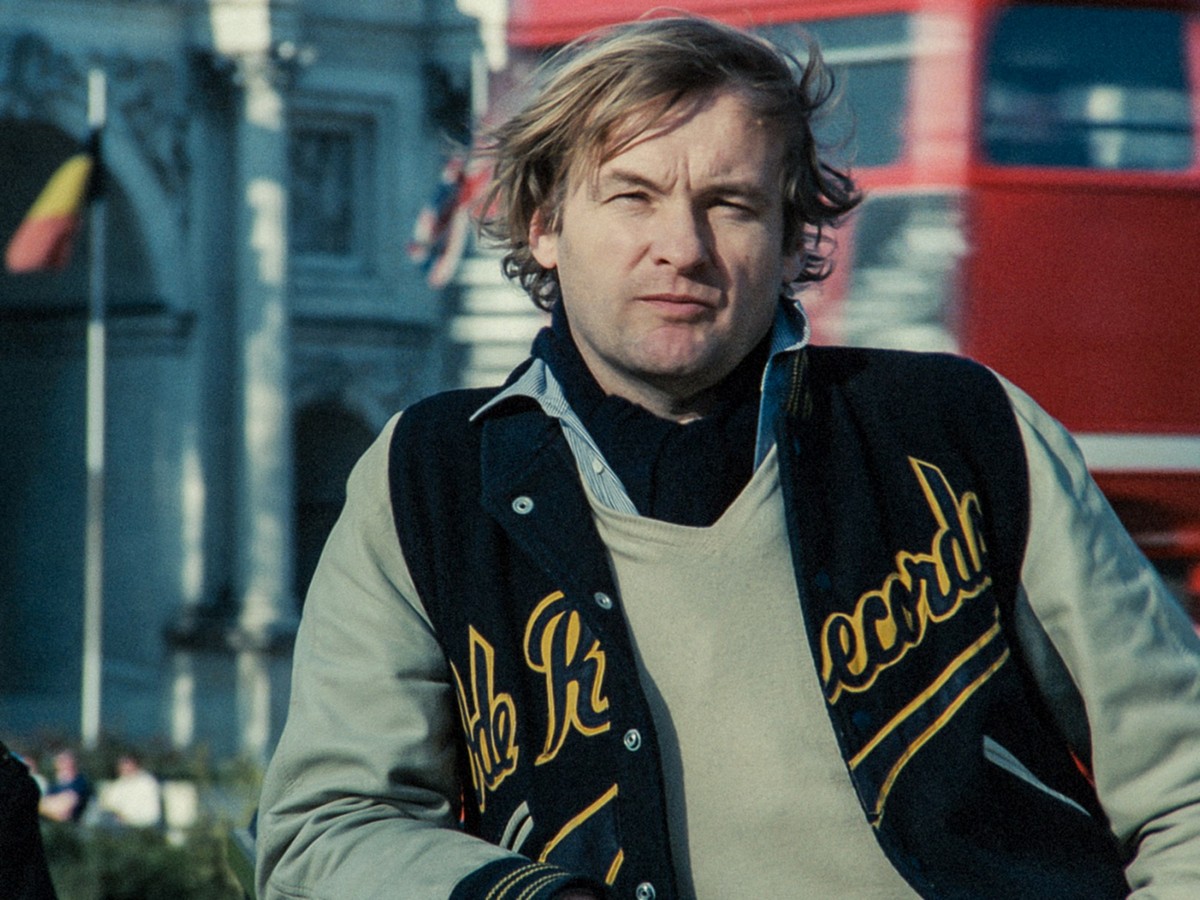
Four films made in Poland during the early years of acclaimed director Jerzy Skolimowski’s career will be screened in restored versions as part of a retrospective organized together with the Polish Institute in Bucharest at the 13th edition of the Ceau, Cinema! Festival, which will take place in Timișoara from July 15–19th 2026.
Produced before his departure into exile in the West, the four semi-autobiographical films established Jerzy Skolimowski as one of the most original Polish and European filmmakers:
“Hands Up!” (Ręce do góry, 1967/1981)
“Identification Marks: None” (Rysopis, 1965)
“Walkover” (Walkower, 1965)
“Barrier” (Bariera, 1966)
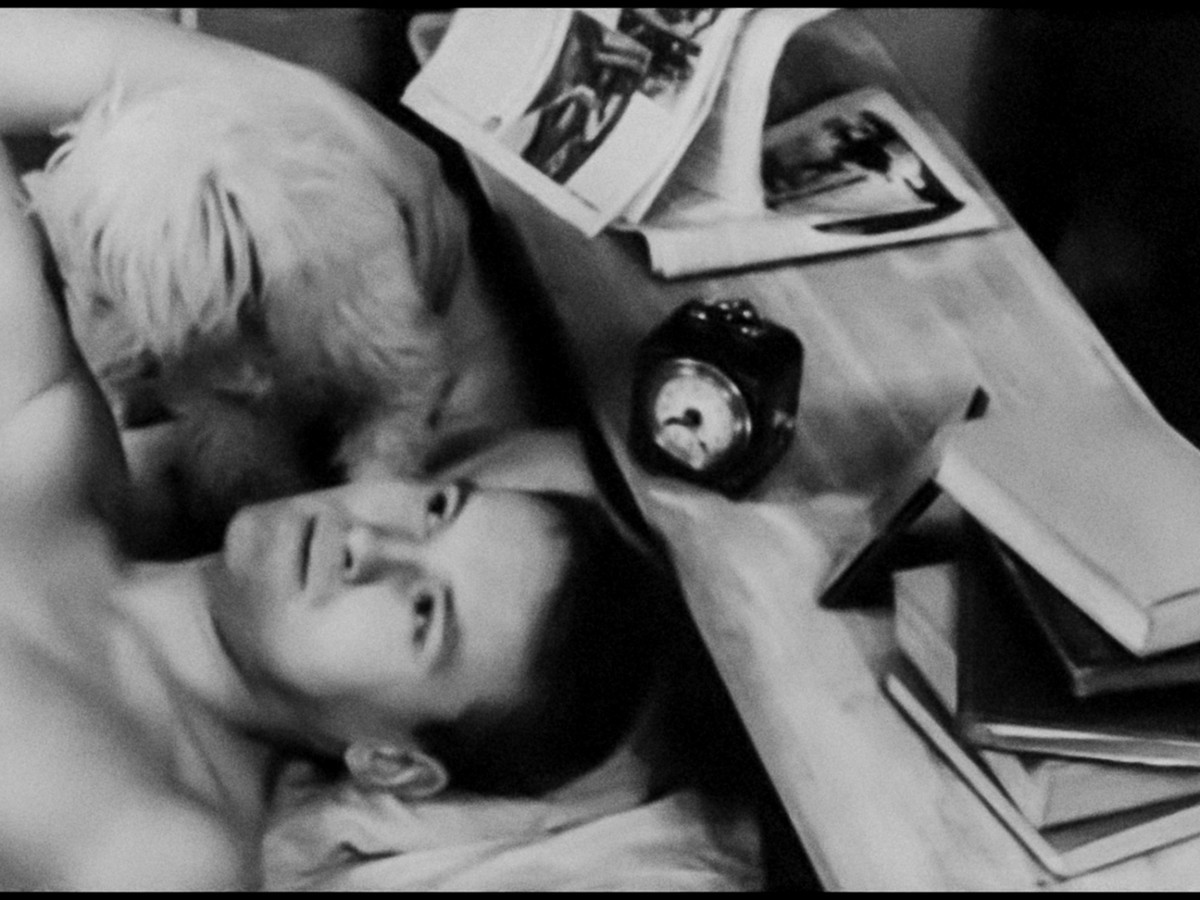
In “Identification Marks: None,” a young man expelled from university just before completing his master’s degree appears before a military recruitment board on September 1 and declares his desire to serve in the army. While waiting for a train, he wanders through the city, meeting old friends and an unfamiliar young woman who bears a striking resemblance to his wife. The film was screened at the New York Film Festival.
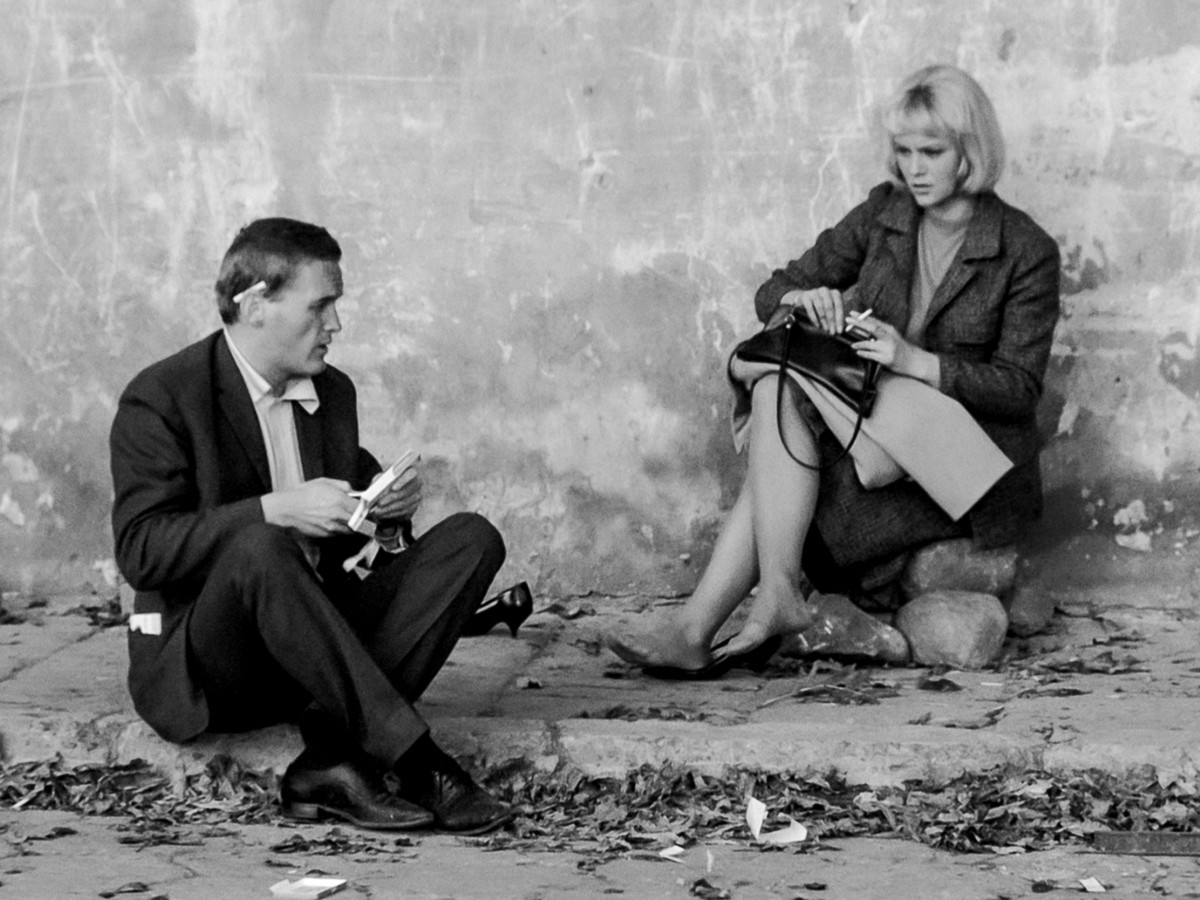
Selected for the Cannes and Locarno film festivals, “Walkover” follows a man nearing thirty who gets off a train to follow a woman he notices by chance. He has no university diploma but has completed his military service. While the woman works on a project at a local factory, the man takes part in boxing matches.
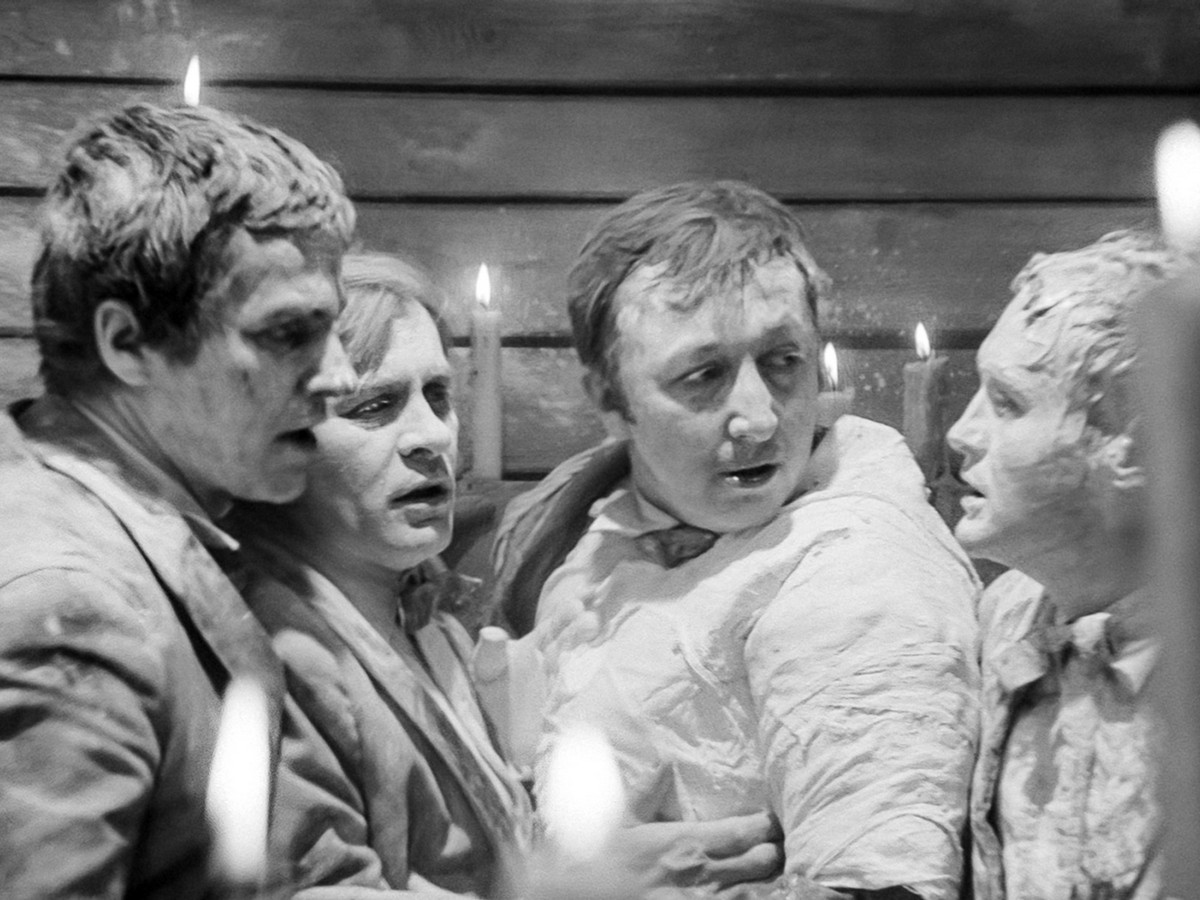
In “Hands Up!”, Skolimowski—now a director living in exile—returns to the film fourteen years after its production was halted by official censorship in 1967. The story centers on a reunion of former students. A group of successful doctors decides to visit a friend who declined their invitation. The film had its world premiere at the Cannes Film Festival.
These three films form the “Andrzej Leszczyc Trilogy,” named after their protagonist, played by Skolimowski himself. In each film, the director portrays a semi-autobiographical character: a disillusioned, aimless antihero forced to react to events beyond his control, approaching life with a largely fatalistic and passive attitude.
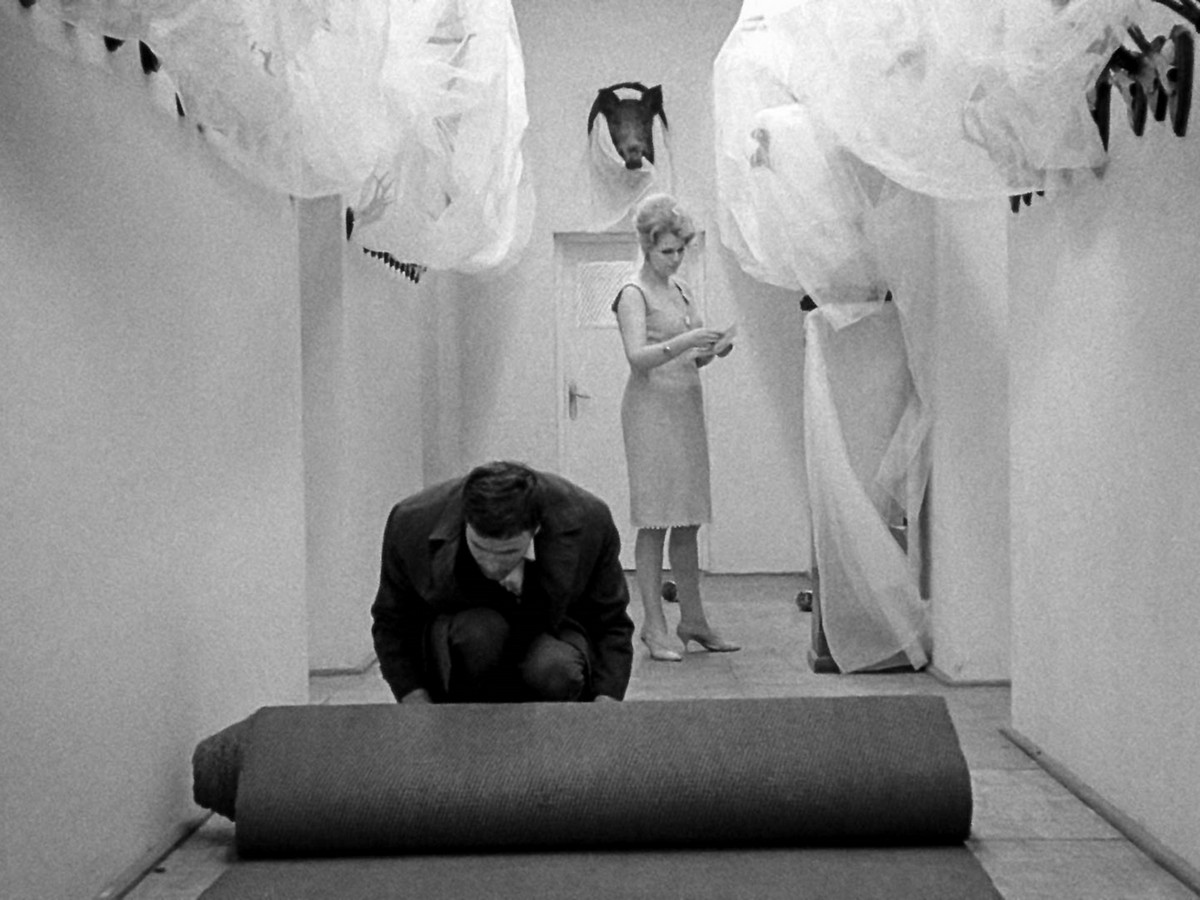
During this productive early period of his career, Skolimowski also directed “Barrier” (1966), which was selected for the BFI London Film Festival and the New York Film Festival. The film follows a final-year student who abandons his studies and participates in Easter rituals involving symbolic objects. He becomes preoccupied with war veterans, the modern bourgeoisie, and the decline of his own generation. Accompanying him is a young female tram driver.
Although “Barrier” shares many of the same themes, concerns, and stylistic traits as the other films, its protagonist is not named Andrzej Leszczyc. Instead, the central character is simply known as The Student, played by actor Jan Nowicki. Nevertheless, the film is so closely connected to the others that it is often considered part of a quartet of Skolimowski’s early works.
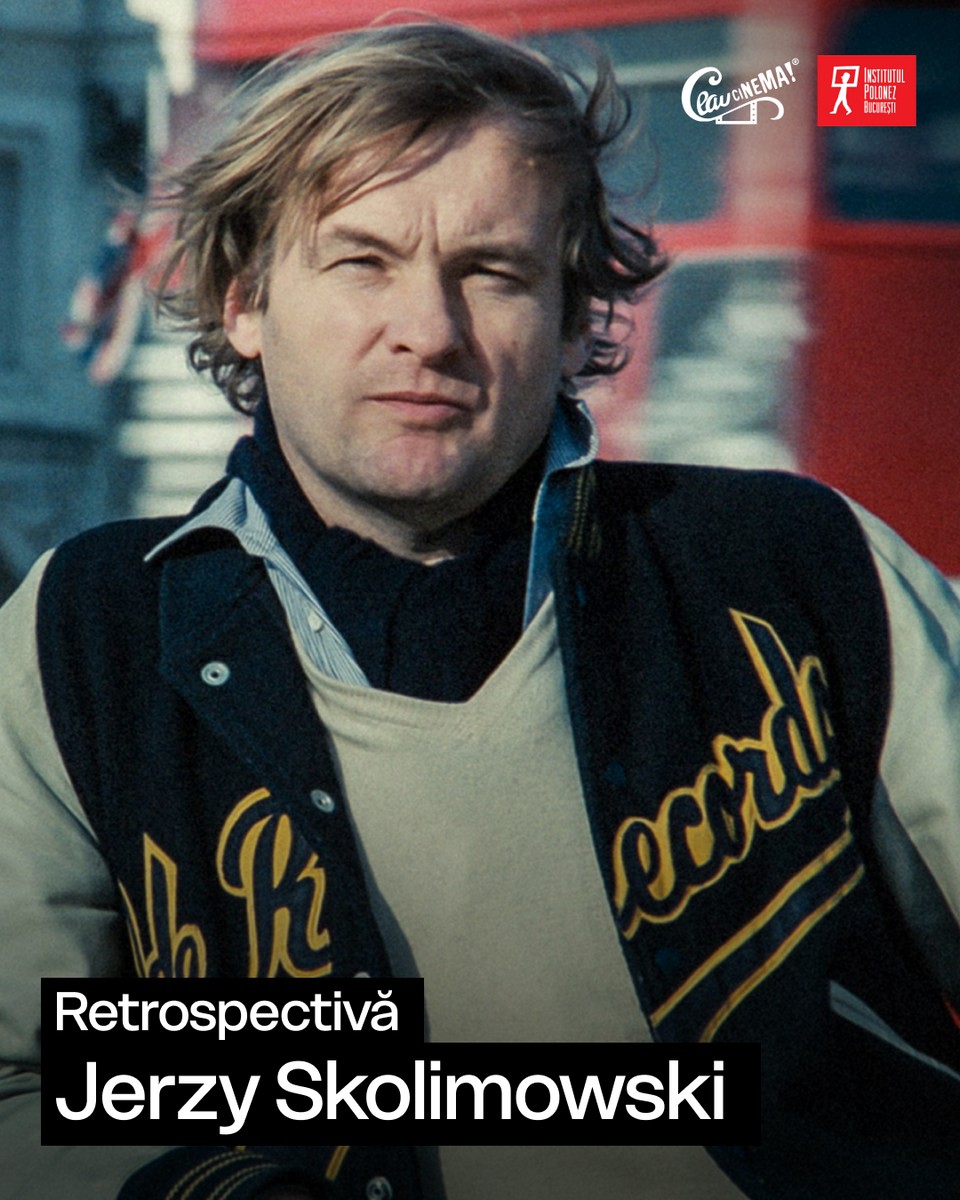
“In a Ceau, Cinema! edition whose theme is UNLEASHED CINEMA, it seemed natural—indeed mandatory—to pay tribute in our classic film section to one of Europe’s most unconventional filmmakers. A Polish director less familiar in Romania than some of his compatriots, but certainly one of the most eccentric. Having returned to prominence in recent years—especially thanks to EO (who wasn’t moved by the suffering of its donkey protagonist?)—Jerzy Skolimowski built an international career that took him through England, France, and the United States, earning awards at Cannes, Venice, and Berlin. At Ceau, Cinema!, we are rediscovering his Polish beginnings through four extraordinarily compelling films from the 1960s, works that captured the anxieties of a young generation while standing at the forefront of cinematic modernism. We thank our partners at the Polish Institute in Bucharest for their support in organizing this retrospective,” said Ionuț Mareș, Artistic Director of Ceau, Cinema!
Ceau, Cinema! is a festival dedicated to European cinema, organized by the Pelicula Cultural Association.
Funded by: Municipality of Timișoara through the Project Center
Funding body: National Center of Cinematography
Sponsor: Groupama Asigurări
Co-organizer of the retrospective: Polish Institute in Bucharest
Retrospective partners: Cinema Studio, Cinema Timiș